On the ground
Things to do in Bali: what is worth the trip, and what you can skip
Bali is not visited like a checklist. The island reads by region, each with its own pace: choosing two or three bases and giving up the rest makes a better trip than seeing everything from the back seat of a car.
- Updated on
- 8 min read
- By Kylian Dev
Contents
Key points
- Think in regions, not sights: the south for the sea, the center for culture, the east and north for peace and quiet.
- Transfers take longer than expected: from the airport, allow about 1 h 15 to 1 h 45 for Ubud.
- The rice fields of the east (Sidemen) and the north (Munduk) offer what the most photographed sites no longer give.
- Kuta, Tanah Lot late in the day and Batur in high season often disappoint: go knowing what to expect.
The question “what to do in Bali” often calls for a list of twenty places. It leads to days spent in traffic jams between two crowded sites. This guide does the opposite: it ranks. It says what justifies the trip, what depends on your interests, and what you can cross off without regret.
It is meant for a first stay as well as a return to the island. For logistics, it refers to the guides getting around Bali and when to go to Bali. For a first stay, start with first trip to Bali: the ten decisions to make, in order.
Understanding Bali in three minutes: south, center, east, north
Bali divides into four main zones. The south concentrates beaches, surf and nightlife near the airport. The center, around Ubud, brings together rice fields, temples and crafts. The east, from Sidemen to Amed, is rural and turned towards diving. The north, around Munduk, is cool, green and little visited.
The island is bigger than it looks on a map, and above all slower to cross. The roads are narrow, the villages follow one another and the traffic of the south quickly spills over onto the rest. The right scale to think on is therefore not the sight, but the region where you unpack your bags.
- The south (Canggu, Seminyak, Uluwatu, Sanur): the sea, surfing, cafés and sunsets. It is also the most built-up area.
- The center (Ubud and its surroundings): terraced rice fields, dance, water temples, craft markets.
- The east (Sidemen, Amed): farming valleys, the Agung volcano in the background, diving and snorkeling from pebble beaches.
- The north (Munduk, the lakes): cool highlands, waterfalls, plantations, quiet nights.
The 8 experiences that justify the trip
What makes Bali is less about monuments than moments: walking in a rice field irrigated by the subak, watching a dance in the evening, entering a water temple, seeing the sunrise from a volcano, swimming over a reef, and taking time in a village of the east or the north.
Walking in the rice fields
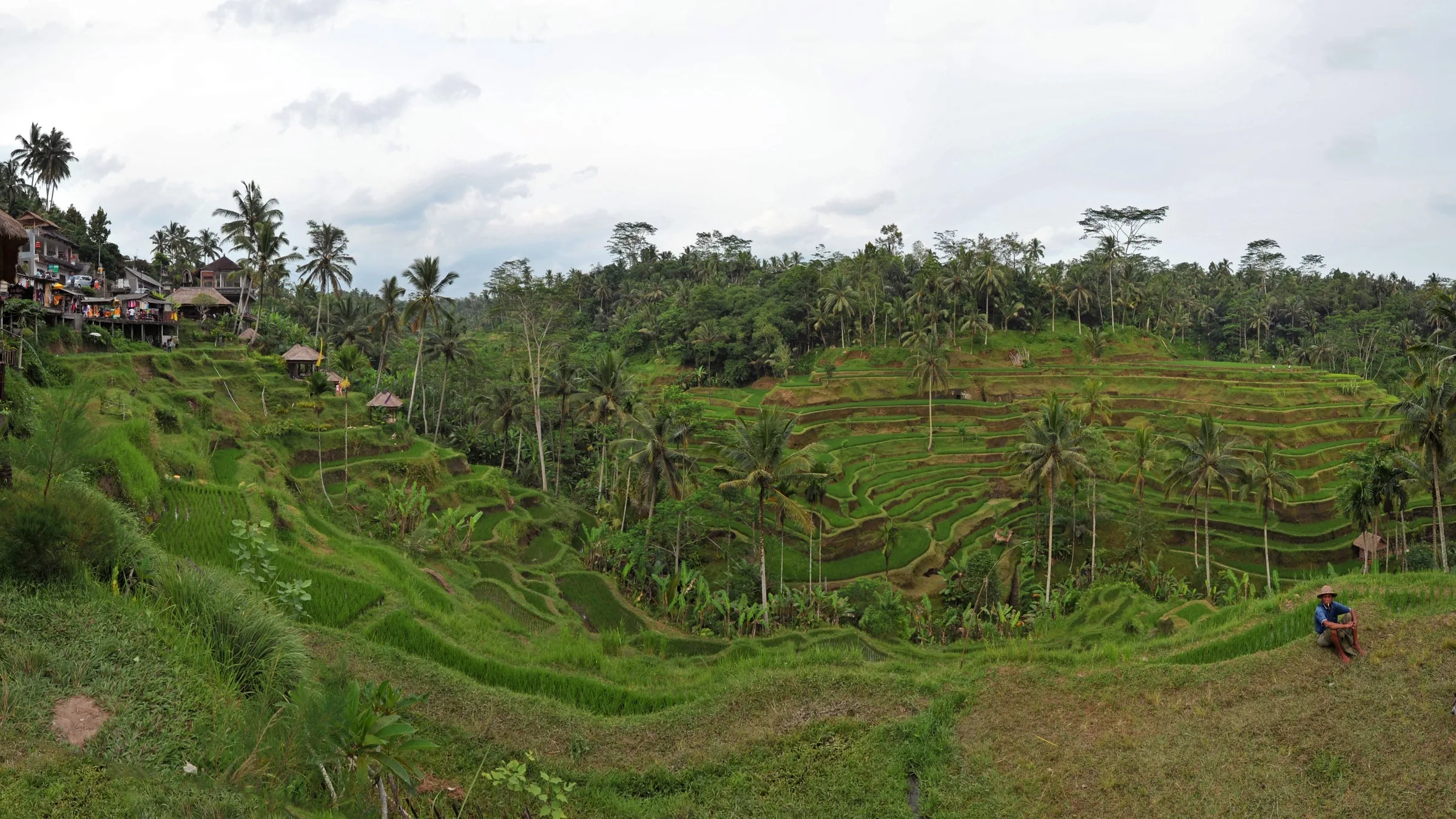
Not just photographing them from a viewpoint: following the dykes on foot, in Sidemen, around Ubud or towards Munduk, at the pace of the irrigation channels.
A Balinese dance in the evening
Legong, barong or kecak: in Ubud, several palaces and temples put one on every evening. It is the simplest way into the island’s culture.
A water temple
Tirta Empul and its purification pools, or Ulun Danu Bratan on the lakeshore. There you understand the link between water, the gods and farming.
Sunrise on Batur
The summit rises to 1,717 m. Departure around 3 am, about 2 h of climbing: demanding but accessible, as long as you avoid the crowds (see below).
Snorkeling in the east
In Amed, the reef sometimes starts a few strokes from the beach. No boat or training needed to see coral.
The cliffs of the Bukit
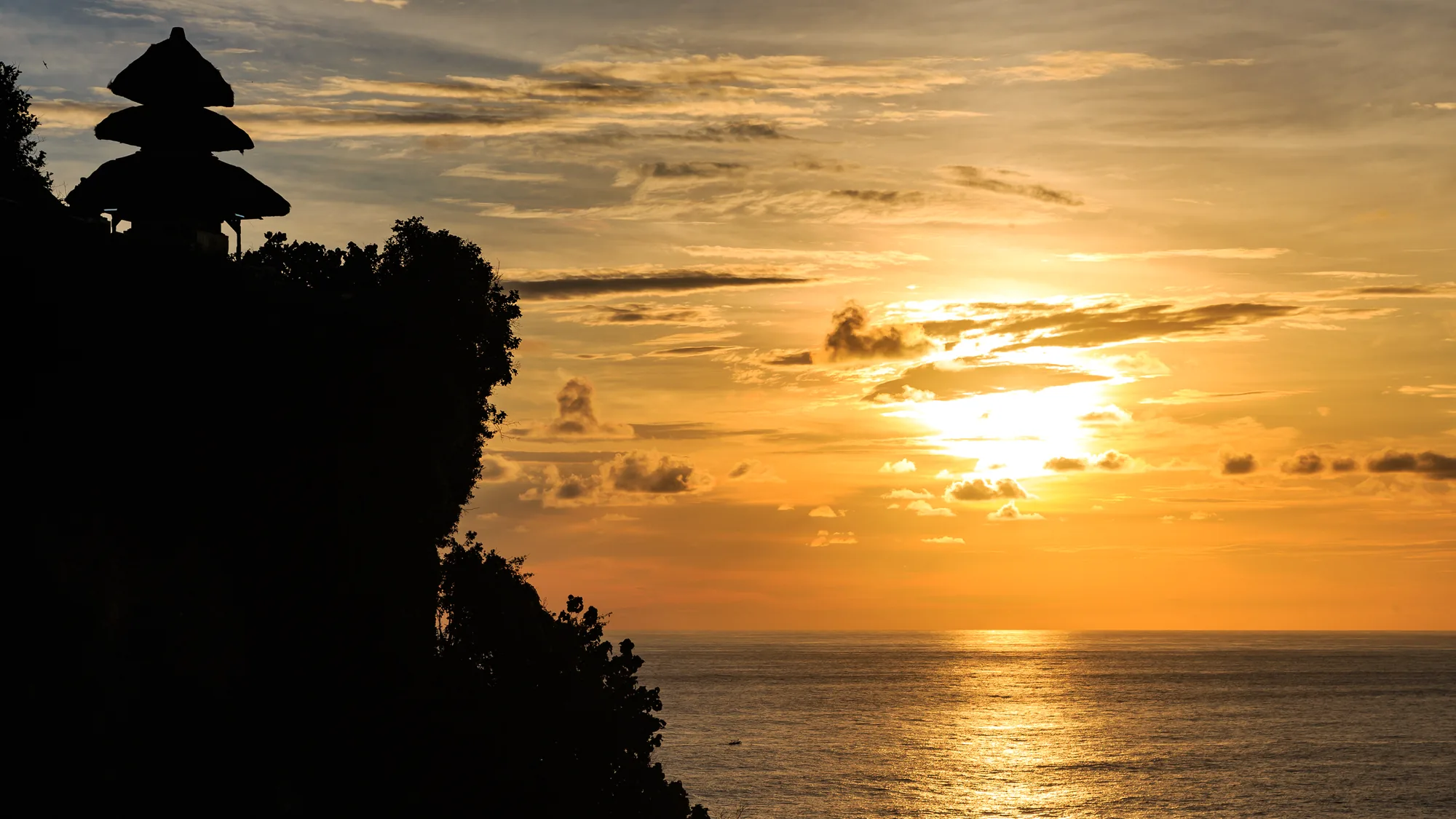
Uluwatu, its clifftop temple and its beaches at the foot of the cliffs: the south at its most spectacular.
A day on Nusa Penida
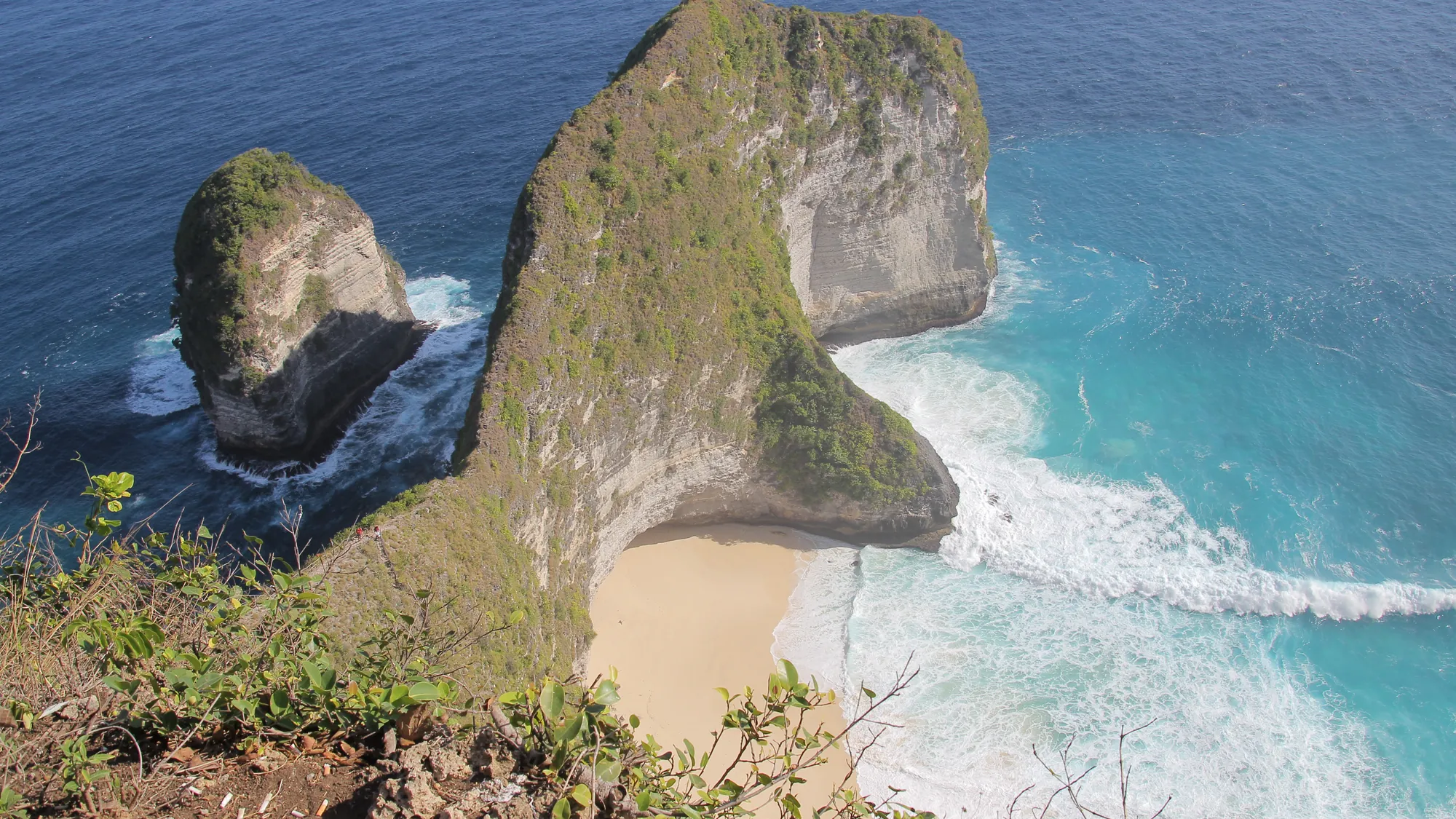
The Kelingking cliffs and the west coast, about 30 to 45 min by fast boat from Sanur. Even better if you spend a night there.
The Munduk highlands
Waterfalls, coffee and clove plantations, lakes: the coolest and least visited Bali of the classic route.
None of these experiences requires an overpriced organized tour. Above all they require time and a good departure time: early in the morning, most places get their calm back.
For the meaning of the temples and how to behave there, read our guide Balinese temples and culture.
Things to do in Bali by region: what to see, how long, for whom
Ubud deserves several days for culture and rice fields. Uluwatu suits surfers and cliff lovers. Canggu and Seminyak are for those who want cafés and nightlife. Sidemen, Amed and Munduk reward those looking for peace and quiet. Nusa Penida is ideally visited by sleeping there.
| Region | Things to see and do | Recommended time | Who it suits |
|---|---|---|---|
| Ubud | Rice fields, evening dances, water temples, craft markets | Several days, it is the richest base | First trip, culture lovers |
| Uluwatu | Clifftop temple, sheltered beaches, surfing | A few days at the end of the stay | Surfers, couples, sea lovers |
| Canggu and Seminyak | Cafés, beach clubs, sunsets, beginner surfing | A short stop is enough | Urban travelers, nightlife |
| Sanur | Calm beach, seafront promenade, boat departures | One or two nights, before or after the islands | Families, slow pace |
| Sidemen | Valley of rice fields, weaving, walks at the foot of Agung | Two nights at least | Walkers, travelers seeking quiet |
| Amed | Snorkeling from the beach, diving, fishing villages | A few days | Divers, lovers of an uncrowded sea |
| Munduk | Waterfalls, lakes, plantations, cool air | Two or three nights | Hikers, slow travelers |
| Nusa Penida | Kelingking cliffs, west coast, snorkeling | A night on the island rather than a return trip | Travelers ready for difficult roads |
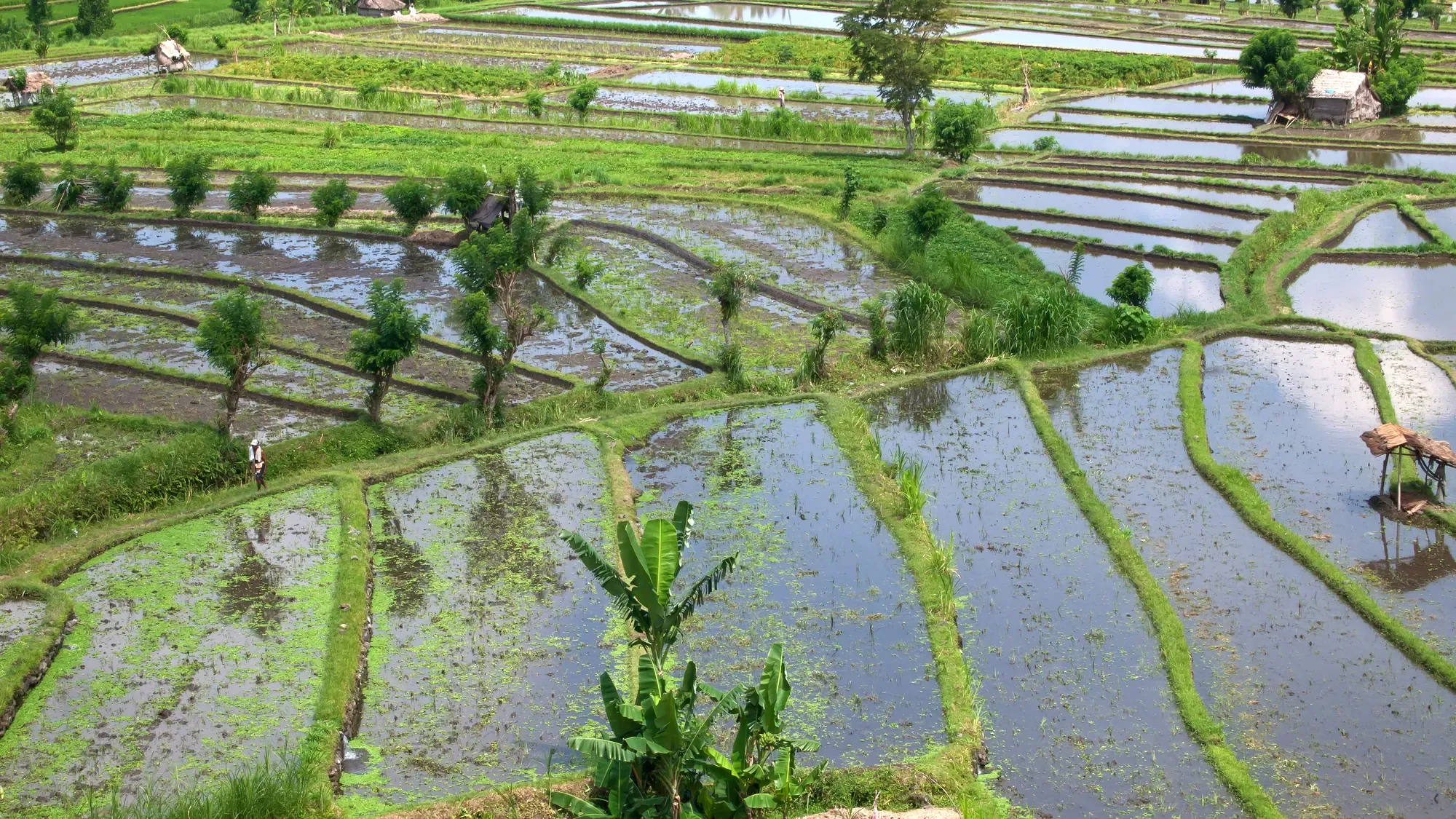
The most underrated region is the east. Sidemen offers rice fields as beautiful as Ubud’s, without the queues for a photo. Amed, further on, adds the sea. The drive is paid for once, then you live at the pace of the village.
Bookable tours
Partner linkTours to book, region by region
For each region, the tours that start there, with live prices, durations and availability at our partner. Compare recent reviews before you book.
The center
Center
Tours from Ubud
The cultural base of the island: dances, water temples, rice fields and workshops, at the price of a town center jammed with cars.
Partner linkSee tours (Partner link)
The south
Bukit peninsula
Tours from Uluwatu
Limestone cliffs, coves at the bottom of staircases and reef waves, on a sprawling peninsula where nothing gets done without two wheels.
Partner linkSee tours (Partner link)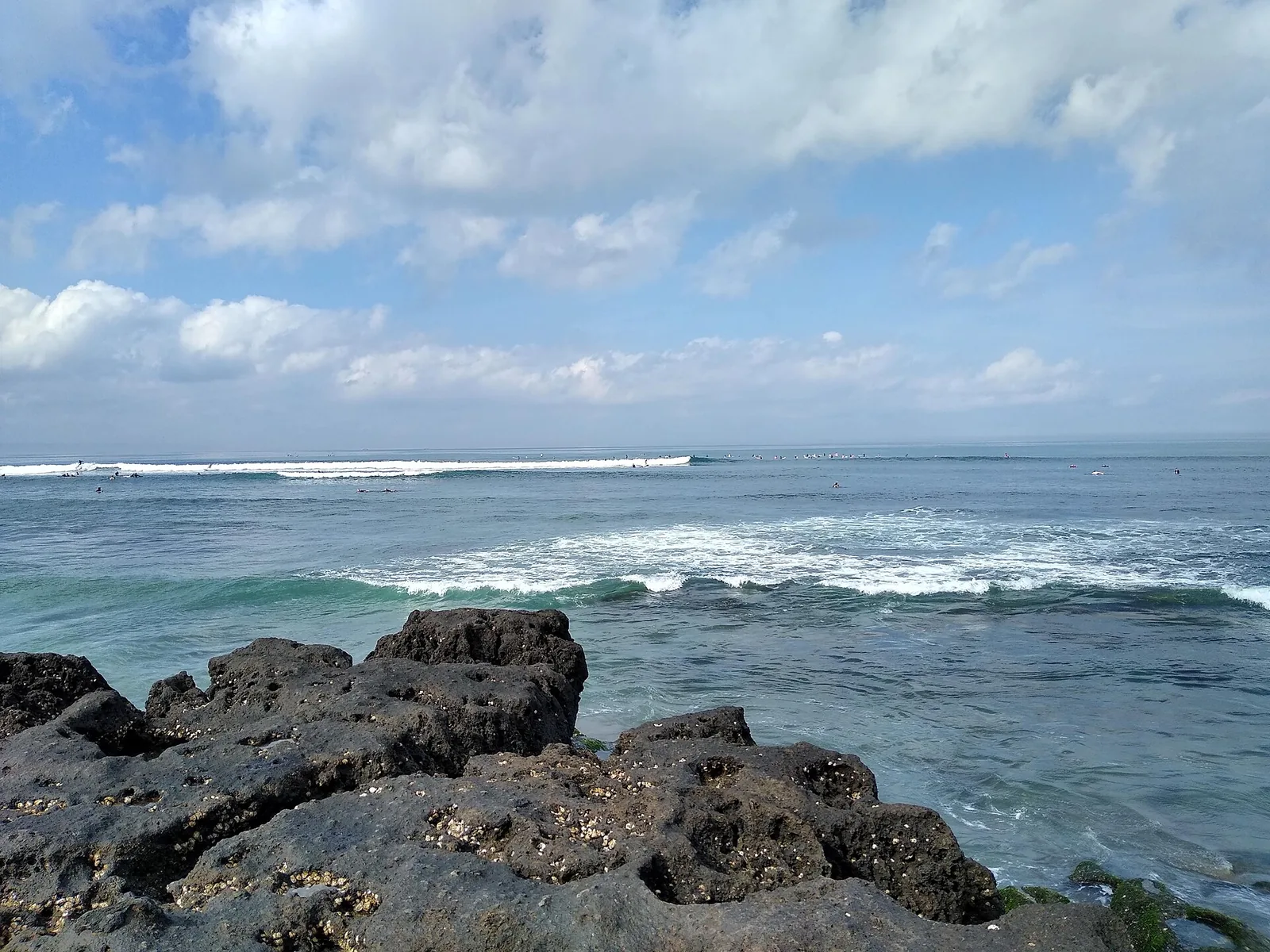
Southwest coast
Tours from Canggu
Cafés, coworking spaces and accessible waves, in an area concreted over in a few years where the rice fields are shrinking and the traffic jams growing.
Partner linkSee tours (Partner link)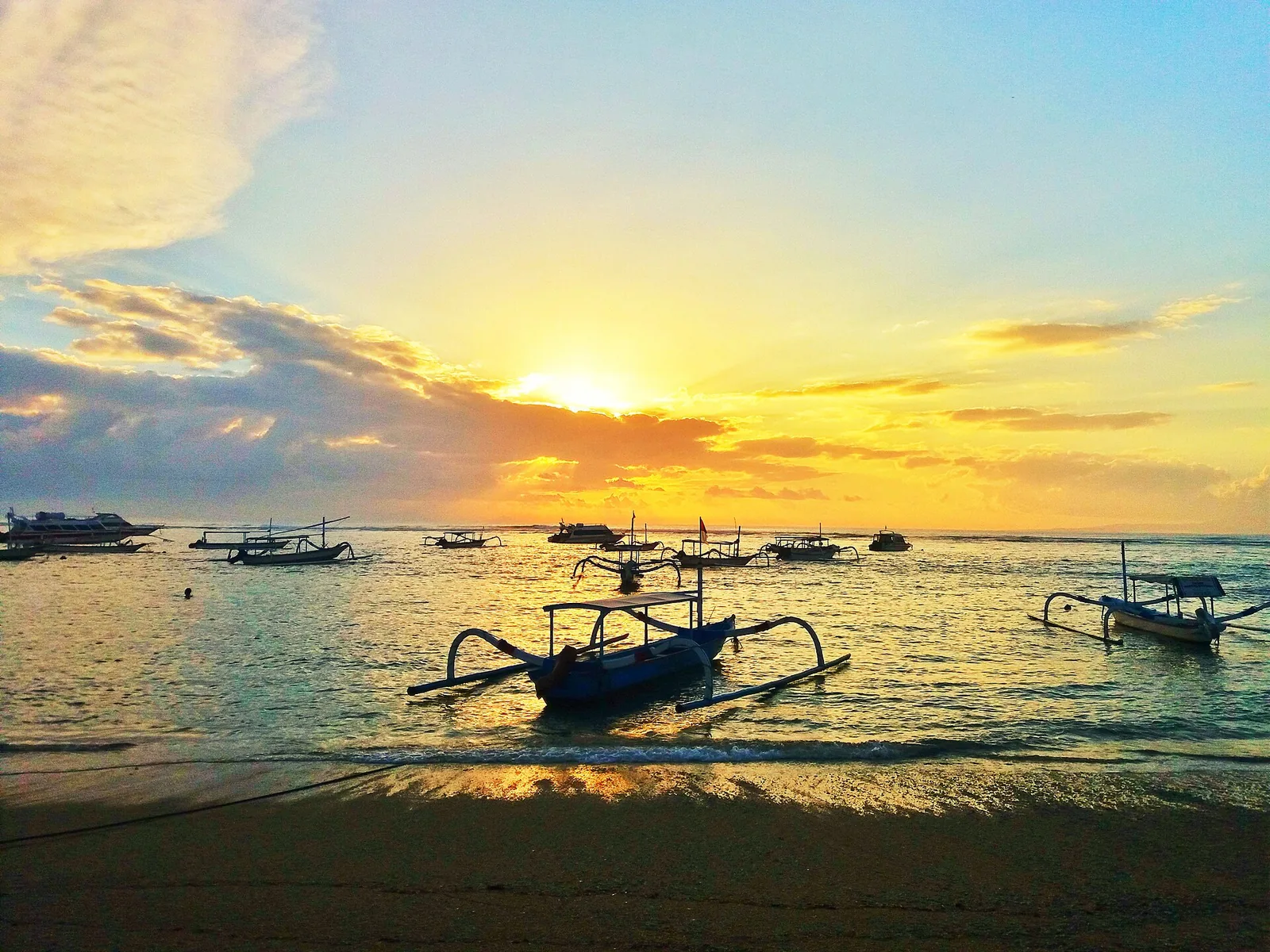
Southeast coast
Tours from Sanur
A sea sheltered by the reef, a promenade along the beach and the port for Nusa Penida: the quiet resort of the south, a little dated.
Partner linkSee tours (Partner link)
The east
East
Tours from Sidemen
A valley of rice fields at the foot of Agung, weavers and paths between the fields: peace, and almost nothing “to do”.
Partner linkSee tours (Partner link)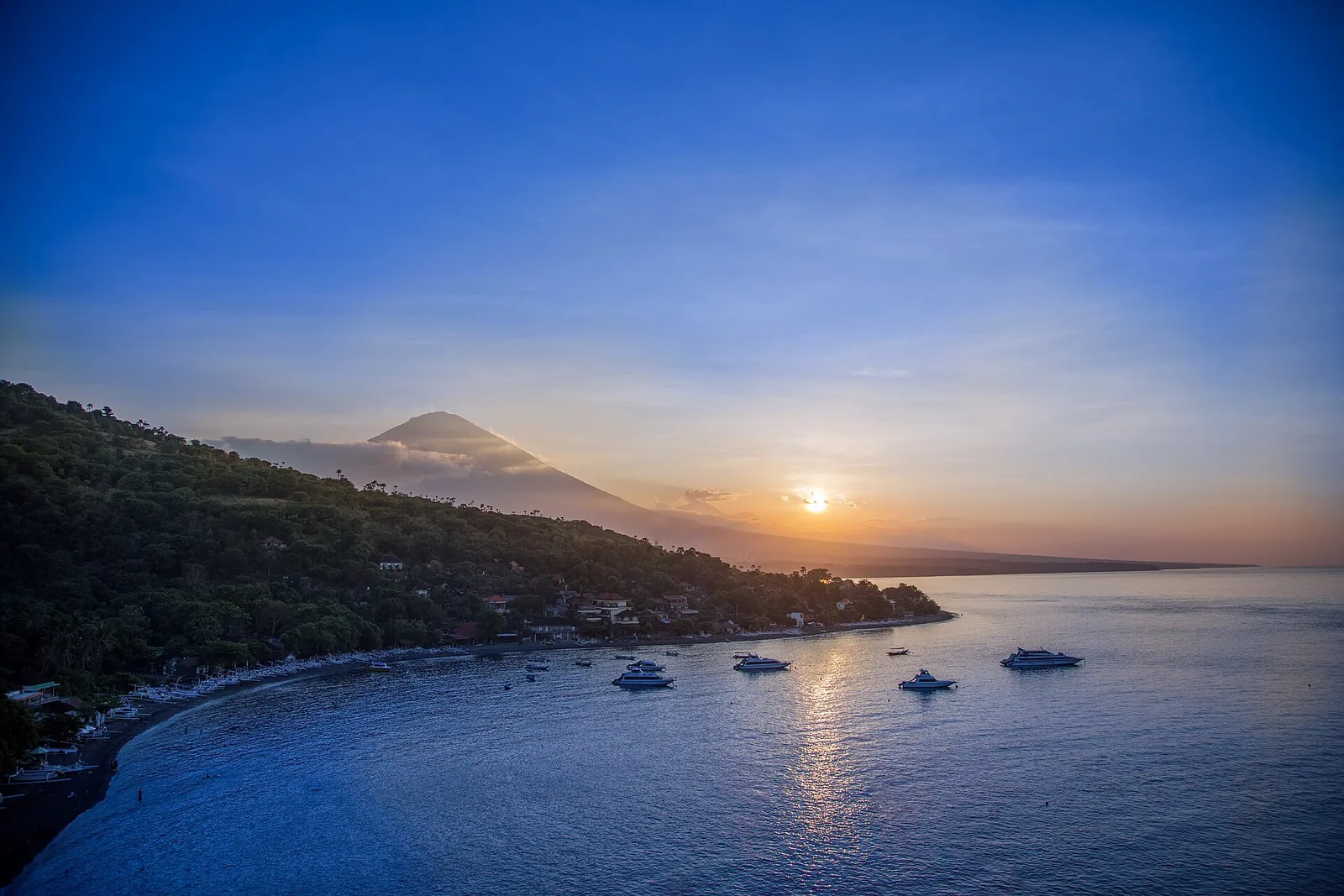
East coast
Tours from Amed
A coast of fishing villages facing the reef and Agung: snorkeling from the beach, diving and very quiet evenings, far from everything.
Partner linkSee tours (Partner link)
The north
Northern highlands
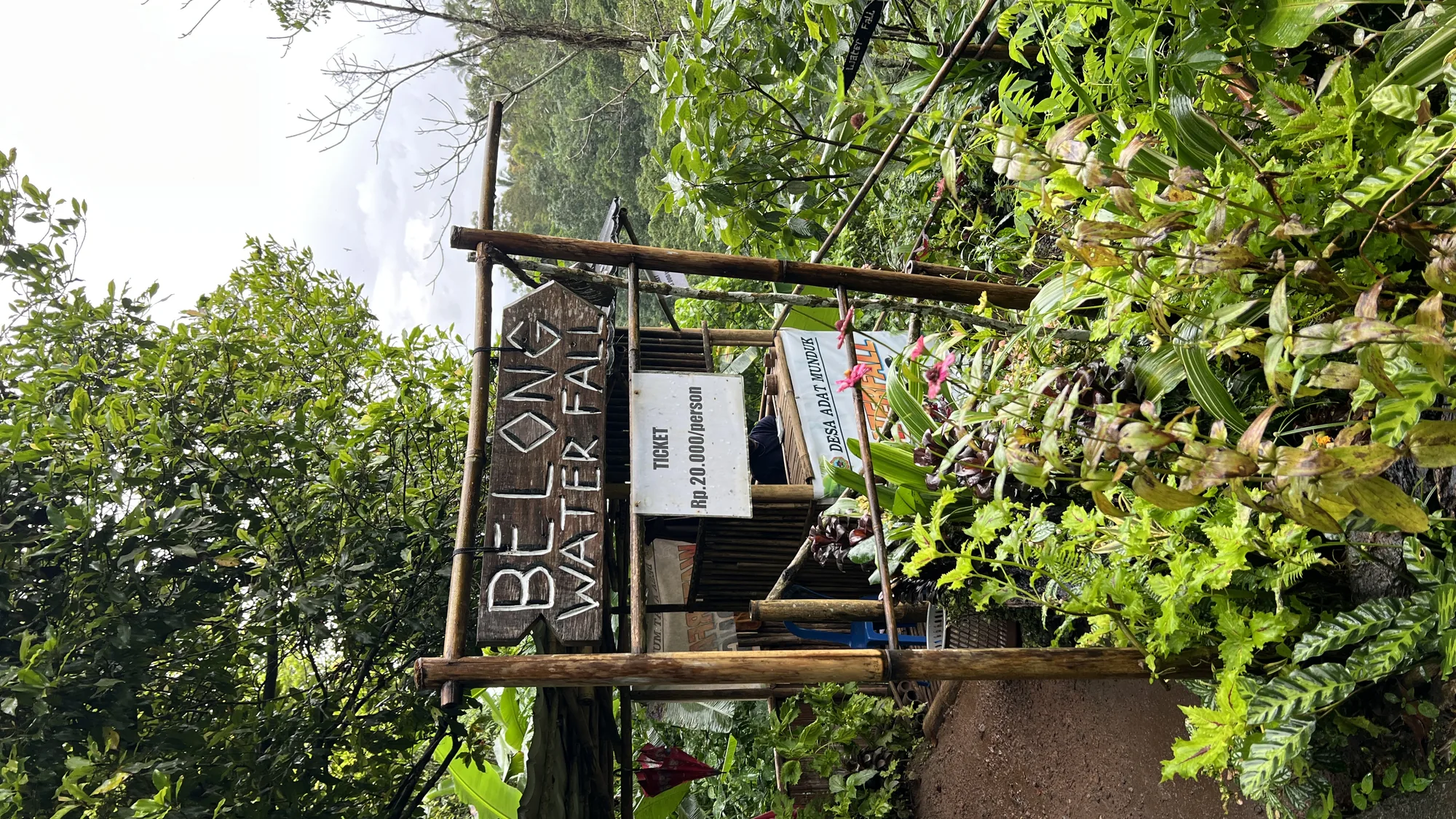
Tours from Munduk
Cool highlands, waterfalls, coffee and clove plantations, mountain lakes: the Bali of walkers, often in the mist.
Partner linkSee tours (Partner link)
The islands
Island to the southeast
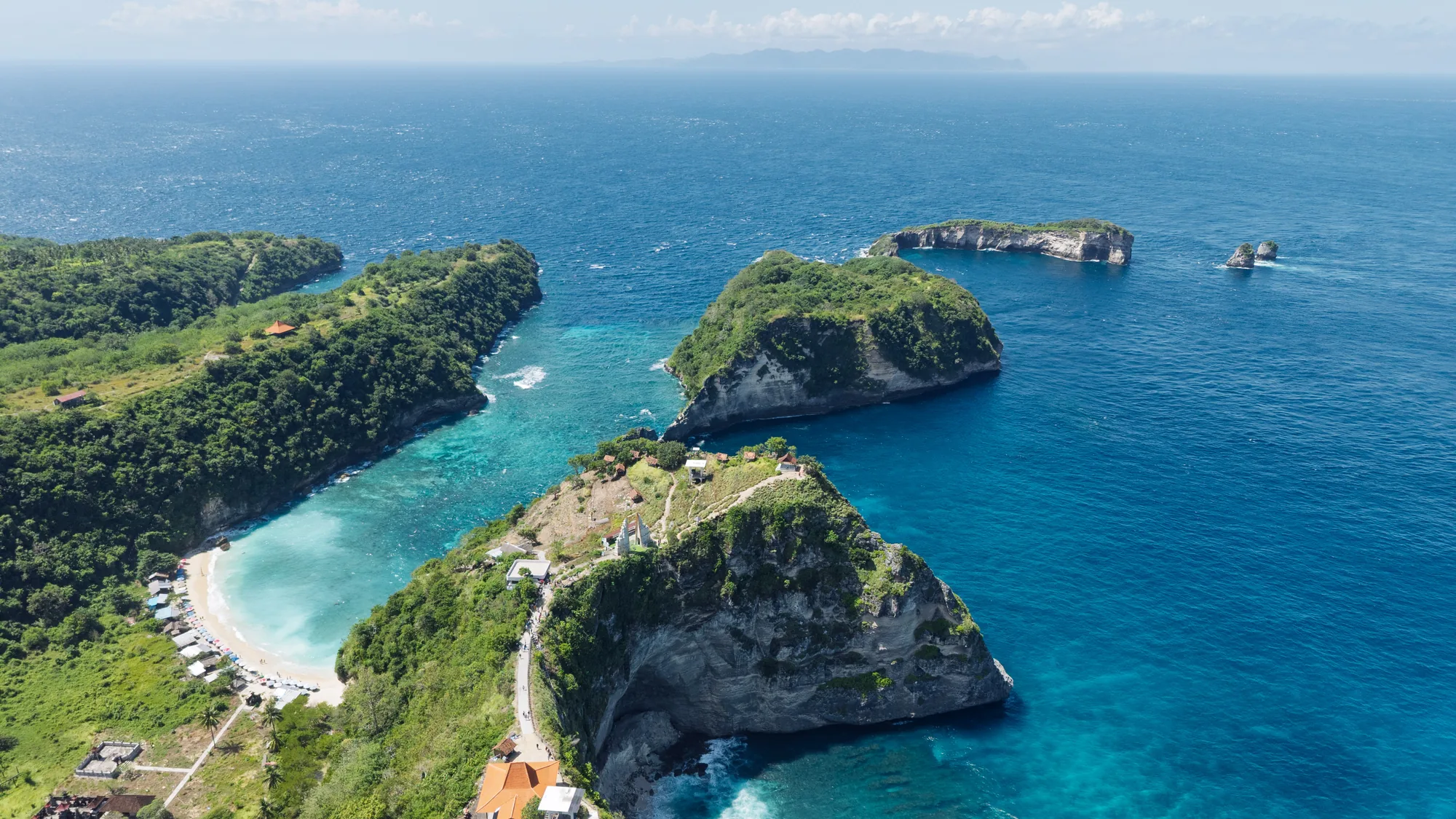
Tours from Nusa Penida
The most spectacular cliffs in the region and the manta rays, at the price of broken roads and viewpoints packed at noon.
Partner linkSee tours (Partner link)
Partner links: we may earn a commission at no extra cost to you. How the site is funded
What most often disappoints in Bali
Three places regularly disappoint: Kuta, now an area of bars and traffic jams; Tanah Lot late in the day, where the crowds hide the temple; the Batur trek in high season, when hundreds of headlamps climb together. The last two remain possible if you change the time or the season.
Kuta and Legian
It is often the first contact with the island, because it is near the airport. The beach is long, but the area is saturated with bars, shops and traffic. Unless you are looking to party, prefer Sanur or Uluwatu for a first night.
Tanah Lot at sunset
The temple on its rock is superb, and everyone knows it. Late in the day, the crowds and stalls take over the place. Coming early in the morning changes the experience. Note that you do not enter the sanctuary: you look at it from the shore.
Batur en masse
The climb starts around 3 am from a village at about 1,300 m altitude, i.e. about 400 m of ascent. In high season, the trail becomes a continuous line. The sunrise is still beautiful, but you have to accept sharing it. If crowds weigh on you, the walks of Sidemen or Munduk offer another contact with the mountains.
Things to do in Bali in 5 days or 15 days
In five days, choose a single base, Ubud or the south, and take day trips from it. In fifteen days, add the east or the north and a night on Nusa Penida, then end near the airport. The shorter the stay, the less you should change hotels.
A short stay
With five days, Ubud is the most complete base: rice fields, dance, water temple and market are within reach. A day by the sea, in Sanur or Uluwatu, completes the picture. Resist the urge to add Nusa Penida: the day would be spent in transport.
A two-week stay
- Start with Ubud for culture and rice fields.
- Go up to Munduk for the cool air, or head to Sidemen for the valley.
- Go through Sanur and take the boat to Nusa Penida, with a night on the island.
- End in Uluwatu, close to the airport, for the sea and a stress-free departure.
The detailed itineraries, with the driving times between each stage, are on the home page. For the matching budget, see the guide Bali travel budget.
Frequently asked questions
What should you absolutely do in Bali on a first trip?
Walk in a rice field, watch an evening dance in Ubud, visit a water temple such as Tirta Empul and spend a few days by the sea, in Uluwatu or Amed. The rest depends on your interests.
Should you sleep in Ubud or visit Ubud on a day trip?
Sleep there. From the south, the drive easily takes more than an hour each way, and Ubud is best discovered early in the morning and in the evening, when the coaches have left.
Is Nusa Penida worth the trip?
Yes for the cliffs of the west coast, as long as you spend a night there. On a return trip from Bali, the day goes by on a boat and in a car on difficult roads.
What to do in Bali when it rains?
Rain often falls late in the day: move your outings to the morning. Wetter days suit Ubud’s museums and galleries, cooking classes and massages.
Is Bali suited to a trip with children?
Yes, especially Sanur, with its calm pace and sheltered sea, and Ubud for the rice fields. Limit long drives and night hikes such as Batur.
Sources
Figures and rules checked on October 17, 2026 against the sources below. Entry rules and fees change: always check them on the official websites before you leave.